
📜 How genetics is changing our understanding of 'race'
By David Reich | 15 minute read

I am worried that well-meaning people who deny the possibility of substantial biological differences among human populations are digging themselves into an indefensible position, one that will not survive the onslaught of science. I am also worried that whatever discoveries are made — and we truly have no idea yet what they will be — will be cited as “scientific proof” that racist prejudices and agendas have been correct all along, and that those well-meaning people will not understand the science well enough to push back against these claims.
This is why it is important, even urgent, that we develop a candid and scientifically up-to-date way of discussing any such differences, instead of sticking our heads in the sand and being caught unprepared when they are found.
(…)
Is performance on an intelligence test or the number of years of school a person attends shaped by the way a person is brought up? Of course. But does it measure something having to do with some aspect of behavior or cognition? Almost certainly. And since all traits influenced by genetics are expected to differ across populations (because the frequencies of genetic variations are rarely exactly the same across populations), the genetic influences on behavior and cognition will differ across populations, too.
Reading time: 15 minutes.
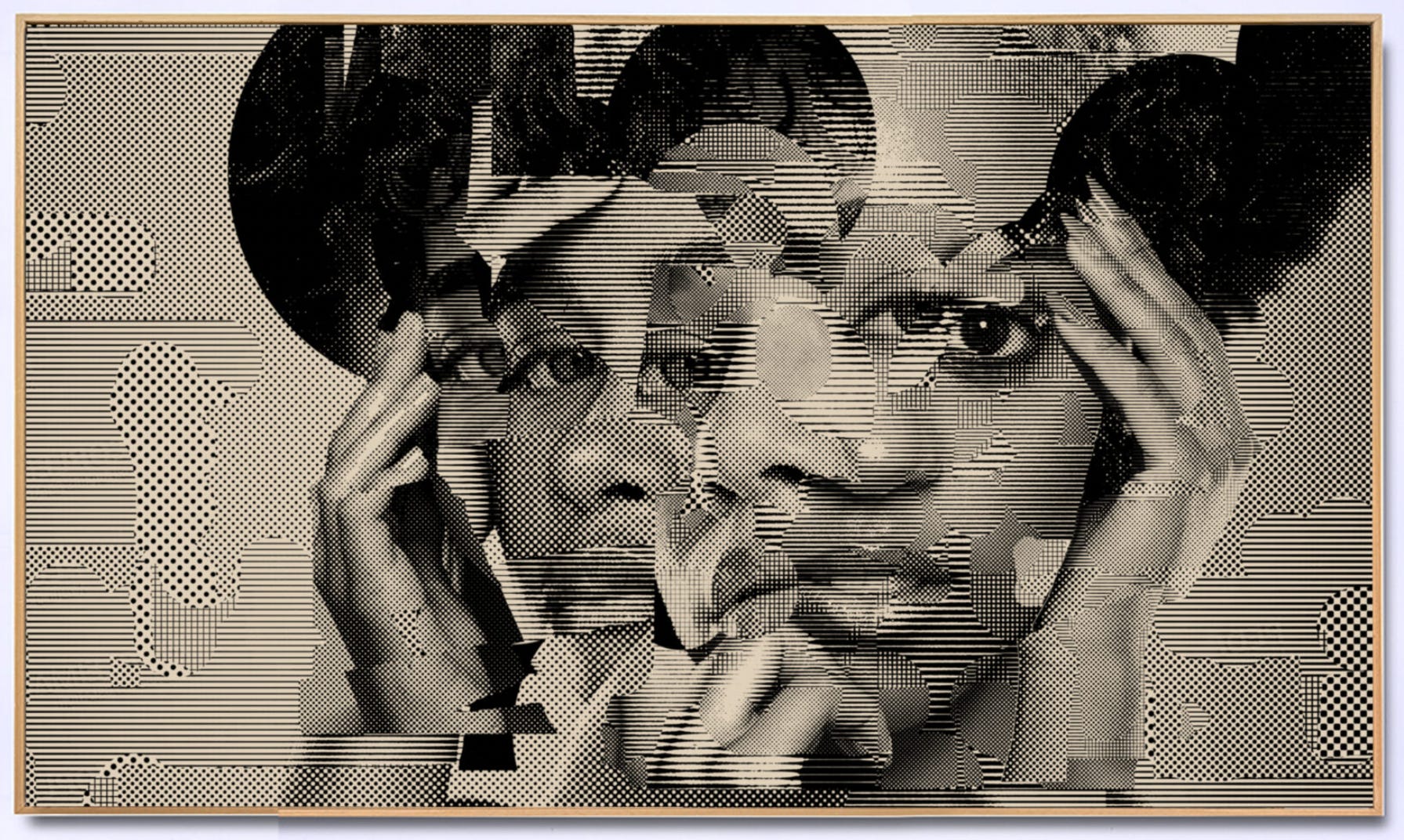
’Duality of self identity’ by Chris McCrae.